Winter Fiction: Story Ideas for Warmth and Tension
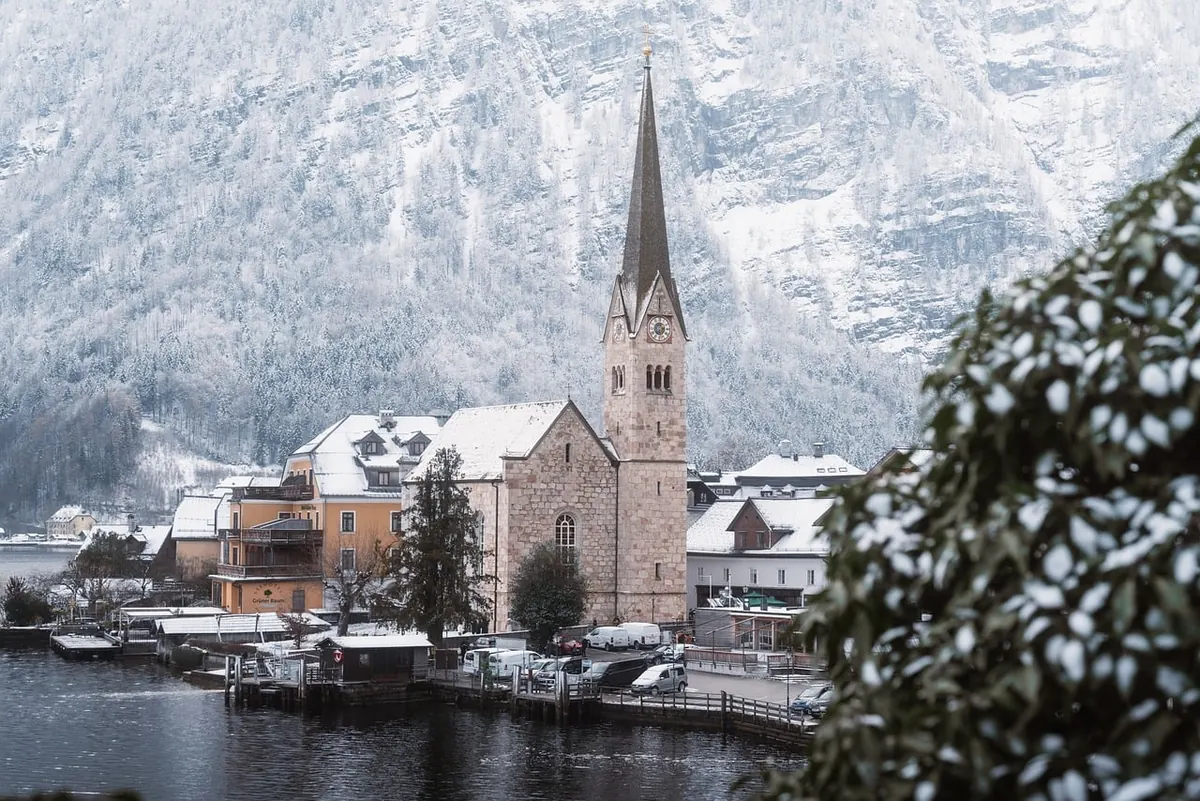
Snow changes the rules of a story. Roads close, plans collapse, and the handful of people you are stuck with become the entire world. That is the raw material of winter fiction: comfort and danger sharing the same landscape. A firelit kitchen, a frozen lake, a train delayed for six hours with no announcement. The trick is knowing which one you are writing, then using the other to sharpen it.
Build the Contrast Before You Build the Weather
Most winter stories go wrong at the same point. The writer piles up atmosphere — candlelight, woodsmoke, frost on the inside of the glass — and forgets pressure. Weather is not a plot. It is a set of constraints. Decide early what the cold makes impossible, then work out what your characters want badly enough to attempt anyway.
Try this on a single page:
- Warm column: what your character relies on. A routine, a person, the last of the coal, a dog that sleeps on the bed.
- Cold column: what threatens it. An unpaid bill, an unanswered letter, a stranger at the gate, a lie that has held for years.
Now cross out the safest item in the warm column. That is your opening scene, and you have not written a word of description yet.
Snow Works Best as an Eraser
Fresh snow removes the things fiction usually leans on: tracks, landmarks, sound. A character cannot retrace their steps. A visitor arrives unrecorded. The lane looks the same in both directions. Use that erasure honestly and you create genuine disorientation without a single ghost.
Give your snow a schedule. Not "it snowed heavily" but "snow from four until midnight, the lane impassable by six, the plough not due until Thursday." A timetable turns weather into deadline, and deadline turns weather into plot.
Traditions Are Load-Bearing Walls
Winter is dense with ritual, which is why it suits fiction so well. Rituals teach the reader what normal looks like, and normal is the thing you are about to disturb. The tree, the midnight service, the annual walk to the same viewpoint, the pudding made from a recipe nobody has written down.
Three ways to use a tradition
- Break it. Someone is missing from the table. The recipe is made wrong. Four voices sing the carol instead of five.
- Repeat it under worse conditions. Same ritual, less money, less time, one fewer person. The reader feels the change without being told.
- Reveal where it came from. The tradition has an origin, and the origin is not sentimental. This works especially well in family stories with a long fuse.
Isolation Comes in Several Sizes
Resist the cabin in the woods. It is the first idea most writers have, and the least interesting, because physical isolation on its own is only a setting. Isolation scales:
- Physical: a cut-off village, a cancelled ferry, a car in a ditch two miles from the nearest farm.
- Social: a full house at Christmas where two people cannot say one honest sentence to each other.
- Emotional: a party of thirty where your character knows nobody, and the taxi will not come for an hour.
- Practical: the phone dies, the power goes, the cash machine is empty. Use this sparingly and give it a reason, because readers notice convenient failures.
A quiet story about a woman snowed in with her late mother's letters is isolation fiction. So is a thriller about a stranded train. The scale is not the point; the pressure is.
Make Hope Do Structural Work
Hope is not the same as a happy ending, and treating it that way is why so much winter writing turns saccharine in the final third. Hope is a character choosing to act when the odds are poor. It is what keeps a reader turning pages through the bleak middle.
In winter fiction, hope usually arrives in small units. A light in a window. A boot print that is not yours. A knock at an hour when nobody knocks. Give it a cost: to reach it, your character has to go out into the cold, or ask for help from someone they have avoided for years, or admit a truth they have protected. Warmth that is earned reads as satisfying. Warmth that is handed over reads as cheap.
Eight Winter Story Seeds
Each of these is a first scene, not a plot. Take one and write four hundred words before you decide whether it holds.
- The Last Delivery. A courier has one parcel left on Christmas Eve, an address that appears on no map, and a storm arriving faster than forecast.
- Thaw. A village ice-fishing contest, and the lake gives up something that was meant to stay under.
- The Understudy. A small theatre's winter pantomime, a lead who has vanished, and an understudy who knows exactly why.
- Same Time Next Year. Two strangers meet on the same bench on the shortest day. This year, only one of them turns up.
- The Long Night. A remote observatory, a weather station, a lighthouse. The relief crew is a week late and the radio is dead.
- Inheritance. A grandmother's house, one locked room, and a will naming a relative nobody in the family has heard of.
- Frost Fair. The river freezes and a market appears on the ice. Your character has something to sell that they should not.
- The Spare Room. A couple takes in a stranger stranded by the weather. By morning, one of them is gone.
Testing the Idea Before You Commit
Winter ideas feel stronger than they are, because atmosphere covers a lot of cracks. Run these checks before you give a story three weeks of your life.
- Does the cold block something, or just decorate? If you could set the scene in July with no changes, the season is wallpaper.
- Name the warm thing and the threat in one sentence each. If you cannot, you have a mood, not a story.
- Find the scene where both sit in the same room. A kitchen, a car, a hospital corridor. Write that scene first and see whether the two forces actually argue.
- Read it aloud in a cold room. If you cannot feel the weather in the paragraph, the reader will not either. Add one physical detail: wet wool, cracked knuckles, a door that will not shut properly.
Then set a limit and keep it. One thousand words a day, or five hundred, or a single scene before the light goes. Winter writing rewards routine more than inspiration, which is fitting: the season itself is a lesson in small, repeated acts of endurance. Choose your seed, write the first line as something a character would say out loud, and let the snow do the rest.
Photo: ahmetyuksek / Pixabay